Belfast is currently commemorating the 100th anniversary of the Titanic disaster, but having emerged as a thriving destination catering for any traveller, the fascination with the doomed ship in this historic city is merely the tip of the ice berg.
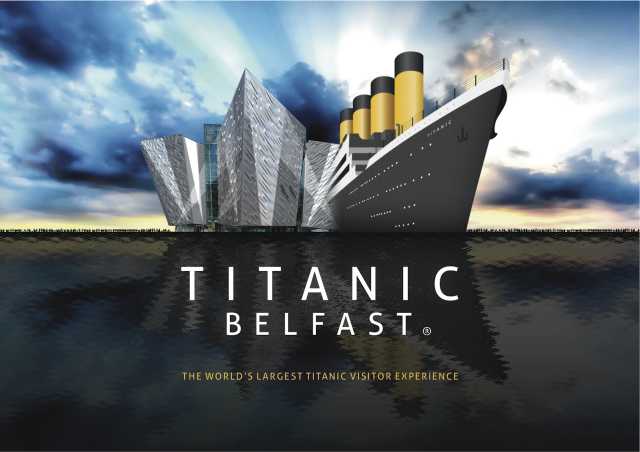
When the Titanic made its ill fated voyage from Southampton 100 years ago after being constructed in Belfast, the local motto of “she was alright when she left us” was heard when news of its sinking materialized. Such a phrase still holds significance in this young and vibrant city. Belfast, with a new found confidence accompanying an enduring pride, is a city emerging in every sense. Now largely free of the notorious sectarian Troubles and unburdened with the eye watering prices of southern locations Dublin and Cork, it takes its place as a viable travel destination catering for any tourist considering the emerald isle. Michelin star restaurants, trendy fashion boutiques and a quirky bar and café culture are all complimented by a recent £400m regeneration of the city centre’s Victoria Square retail area, bringing it up to speed with other European capitals as a prime shopping location. On a historical level, the somewhat overlooked, yet undeniably breathtaking Edwardian architecture adorns the surroundings. The Queen’s University building, designed in 1849 by Charles Lanyon and seen as one of the great icons of the Gothic Revival, represents the amalgamation of old and new in a city in the midst of reinvention.
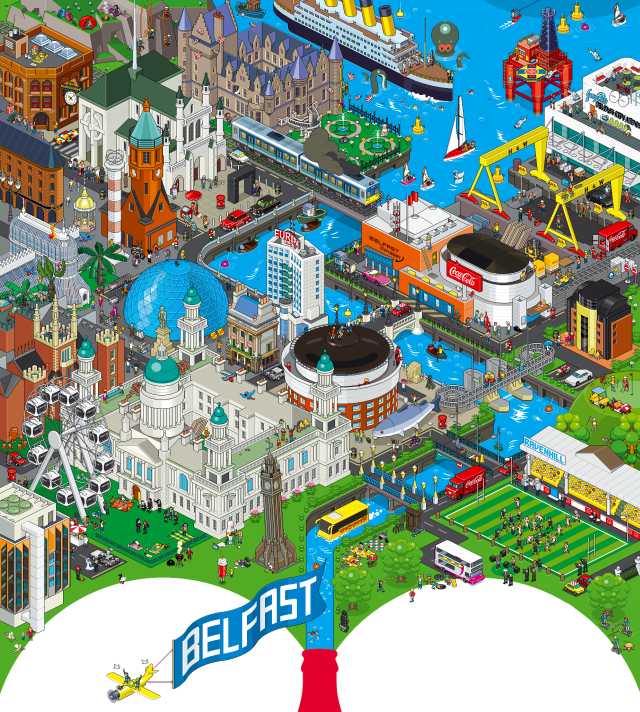
Despite a collective urgency to look forward, Belfast remains unashamed of its past, with reminders of the often troubled, but nevertheless colourful history of Ulster still providing a point of fascination to visitors. Black cab tours taking you around the mural clad trouble spots for as little as £10 can unsettle as much as they can fascinate – this doesn’t resemble a recently war-torn city, where such areas would have been considered no go zones little more than a decade ago. The anniversary of the 1912 Titanic disaster is there for all to see, with billboards and advertisements assisting in the drive to identify the city with the ship, assembled in the historic docks of the River Lagan, before making its ill fated journey from Southampton to New York. The centre piece of the big leap forward is the new Titanic Quarter, with the old shipyards a recent benefactor of regeneration projects; barren wasteland has now given way to affluent apartments, an entertainment complex and a museum dedicated to the doomed vessel. But beyond the history, the real heart and soul of Belfast lies in its energetic nightlife. Make no mistake; this is a historic city thriving off a young person’s atmosphere.
A wise man once told me that a city’s true value must be judged by what goes on after dark, and were this to actually be the case, then Belfast more than holds it’s own. The thrill is the refreshing insistence of substance over style, encapsulated by some of the city’s most highly rated bars, with one Filthy McNasty’s, situated in the nightlife hotspot of south Belfast, a particular highlight as an endearingly no-thrills, traditionally Irish pub. That’s not to say Belfast can’t do stylish; it most certainly can, and does so without much in the way of pretension. The Spaniard bar is another jewel in its glistening crown, an intimately candle lit nightspot attracting a trendier crowd that wouldn’t look out of place in Shoreditch or Greenwich Village, but possessing of a unique friendliness hard to come by in even the quaintest of pubs.

Gimmicky tourist traps associated with major cities remain thankfully scarce, with live music a refreshing staple of most establishments. I was advised by one local that due to a long-standing curfew from the days of troubles, the hotels of the city are the places that really come alive after the bars and clubs have shut, with the Irish tendency for keeping the party going illustrated to anyone fancying a 3am tipple. Whether it’s for a weekend getaway, a party occasion or simply an exercise in cultural exploration, the accommodation options across the city are remarkably varied. While the notorious Europa Hotel, with the unfavourable accolade of being world’s most bombed, stands as a glorious reminder of physical reinvention, it is the fashionably bold Malmaison, opened in 2005, that really encapsulates the upwardly mobile trendsetters who now inhabit Belfast. For it is truly an emerging centre for young professionals choosing to stay north rather than head south or across the Irish Sea. In a city that mixes sophisticated cool with unflinching modesty so effortlessly, it’s not hard to see why.