Sights To See Soon In America
Have you ever visited attractions with an expiration date? While it is not too late to explore landmarks and natural wonders in danger of vanishing, the shelf-life of these destinations well documented. Be it about unique coral reefs hidden in crystal-clear waters to towering cliffs, their beauty is fragile and some of them may soon only be remembered in photos.
Here are five tourist spots that are in danger:
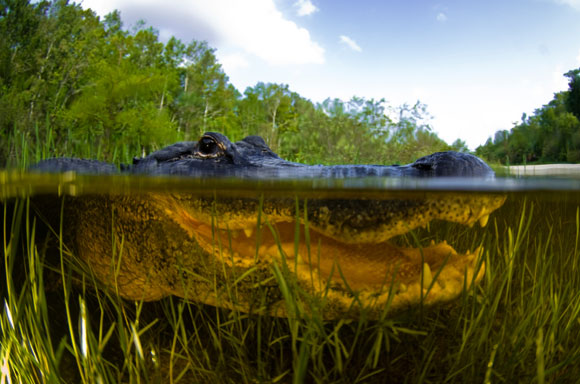
Everglades National Park, South Florida
Everglades was originally designed to protect the fragile subtropical ecosystem to the east of Mississippi River. It is regarded as the third largest national park in the United States rivaling Death Valley and Yellowstone. It is no surprise the park was declared a World Heritage Site with over million visits a year. Despite its’ protected status and conservation efforts the Everglades are threatened by urban development and the eco-system is rapidly changing. As the brochure given to visitors states “the Everglades is presently on life support.”
Sunset Cliffs, San Diego, California
Sunset Cliffs present unlimited photo opportunities. Tourists usually come there armed with cameras and other photo gadgets, because this beautiful area encompasses over 68 acres of sandy beaches and rugged coastline. The cliffs earned their name for breathtaking sunsets and panoramic views over the Pacific Ocean. In addition, the place is a popular escape for activities including surfing and diving. Unfortunately, this natural wonder is also under threat from rapidly encroaching urban development.
Coral Reefs of Biscayne National Park, Florida
Biscayne National Park is a true diversity of colors, shapes and sizes. More than 200 fish species can be found within its aquamarine waters hiding a white coral seafloor. Its deeper waters also cover pirates’ treasures that sunk during heavy battles. Along with history you can discover emerald islands and enjoy boating, snorkeling, camping. But all the fauna of the area is suffering from active navigation and recent climate changes proving the beauty of this area maybe rapidly fading.
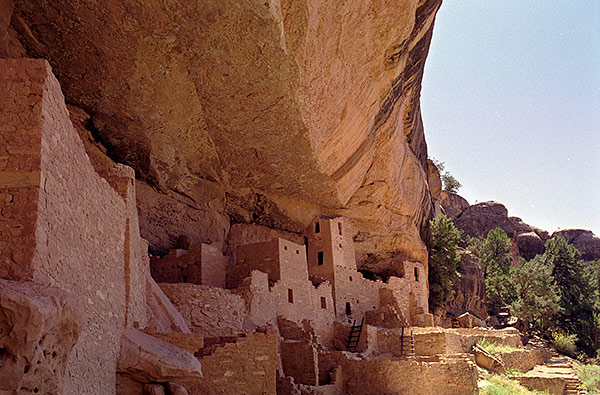
Mesa Verde Cliff Dwellings, Cortez, Colorado
Occupying over 211km of scenic grounds, the Mesa Verde National Park was initiated by President Theodore Roosevelt in 1906. The President intended to preserve the man-made cliff dwellings or as he termed it – to “preserve the works of man” and since then Mesa Verde has become one of the most significant historic areas in Cortez. It features 600 ruins of cliff dwellings that were built by the Ancestral Puebloan people in prehistoric times. Today many of the dwellings are under threat as climate change leads to more regular wildfires in drought conditions, while rain and wind erosion is gradually destroying the landmark.
Glacier National Park, West Glacier, Montana
Glacier National Park is packed with history, rare flora and fauna. It started forming more than 170 million years ago and has evolved into a true natural wonder. The park encompasses over 4000sqkm with two mountain ranges and more than 130 lakes inhabited by 1,000 different species of plants and hundreds of species of animals. Its landscapes transformed Glacier National Park into an escape for those searching for adventure. However, the glaciers that give the park its name are disappearing, known to have been home to 150, only 37 remain and some experts predict they could be gone as early as 2020.
This blog was written by www.booked.net writer Olga Leleka, who is part of a team or writers at the hotel reservation website. The website features comprehensive listings of hotels in the United States near all the attractions listed above.