Not As Scary As It Sounds
With the cold weather finally settling in the southern hemisphere, many of us are sighing and waving goodbye to dreams of beach days, basking in the sunshine, and balmy summer nights. Something else you may be waving goodbye to is the idea of camping – however, have you considered winter camping? While the two terms ‘winter’ and ‘camping’ may seem like polar opposites, the truth is that it’s actually an extremely popular activity all over the world. Here’s a list of tips and trick for camping in winter, as well as some suggestions on where you can experience the thrill of sleeping under the stars – in an extra warm sleeping bag.
Rug Up
From your thermal underwear to winter coats – winter camping requires a whole heap of layering. To start with, a good base should include synthetic or wool long underwear. Synthetics for the inner layer will ensure that any sweat or perspiration is drawn away from your body. The next middle layer should be any wool or synthetic fleece garment for insulation (it is also breathable). Finally, your outer most layer should be a water-proof and wind-proof jacket or coat. This is to stop your inner layers getting soaked from the snow and the rain as well as protecting you from the wind. Additional clothing such as mitts, hats and extra tops are also a must. When it comes to selecting your winter camping attire, be sure to carefully research and plan ahead – proper clothing for winter camping is a must!
A Good Sleeping Bag and Sleeping Pads
A proper sleeping bag is vital for winter camping. When selecting a sleeping bag ensure that the bag is rated at least 10 degrees lower than the coldest temperature you expect to come against on your trip. For extra warmth, you might also consider taking a sleeping bag liner which can add anywhere from 8 to 15 degrees of warmth. Sleeping pads are also a must for winter camping – not only do they provide extra cushioning but they also insulate your body from losing body heat to the icy cold ground. For winter camping, two sleeping pads is generally the rule of thumb.
Shelter From The Elements
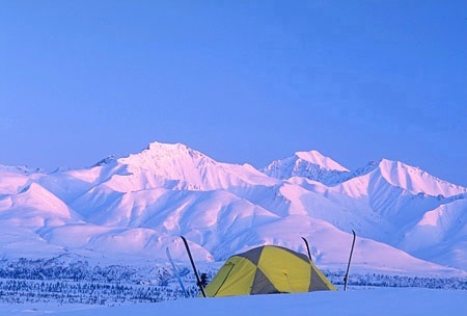
While a three season tent (that is, a tent designed for summer, spring and autumn) may cut it for regular camping, it may not be the ideal tent for winter camping. Depending on the conditions (extreme wind or snow for example), you may be better off opting for a four season tent. Although the four-season may be heavier in terms of weight, its sturdier shell will shield you more effectively against the elements. It is also important to note that 4 season tents also come in single wall or double wall forms. A single wall tent means that there is one waterproof fabric that separates you from the outside (the inner canopy and rainfly are one), whereas the double wall has a separate inner canopy and rainfly. If the whole idea of purchasing two separate tents for summer and winter doesn’t bode well with you, consider equipment rental and rent out a four season tent for winter instead.
Jonah Max is an avid weekend camper, his favourite camping experience thus far has been setting up camp in the serene Snowy Mountains in Australia. When he is not camping, he works for an equipment rental store in Sydney.