The Beautiful City of Lisbon in Portugal
Lisbon in Portugal is a city with style. Set into seven rolling hills and dressed in pastel shade, with lush greenery tumbling down the hillsides, it’s one of Portugals’ most beautiful towns. In the 16th Century, Lisbon was the richest city in the Western world and the evidence of this can still be seen in their incredible buildings. There are lots of cheap flights to Portugal and the cost of living is reasonable, so for a holiday that won’t put you in the pink, it’s ideal!
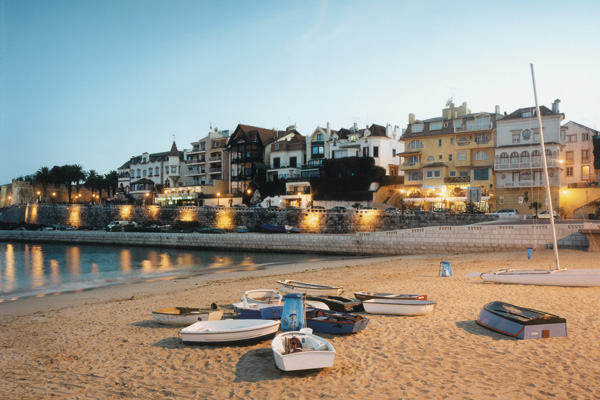
The Port of Lisbon was the keystone in a massive trade triangle, so everything came via Lisbon before being sold on; mother of pearl, silk, ivory and porcelain, black pepper and exotic spices were battled over and the city merchants grew wealthy and had splendid houses, castles and public buildings built on the proceeds. And lots of them are still here to enjoy. There are several regions to the city, one of them being the Alfama, which is the old Moorish quarter. The streets are tiny, and there are still lots of cave like shops and eateries tucked down shady alleyways. These contrast with the wide open avenues of the developed business region.
Local Dishes
If you want to get into Portuguese cuisine, then head for the most unpretentious places you can see – plain, small and clean, these little outlets are called Tascas and specialise in fresh seafood and chicken. Alternatively, the cervejarias or beer houses sell pale amber, chilled beer and plates of fresh shellfish. A traditional dish is busios – which are sea snails served in a conch shell! They are quite big and you’ll need a long, thin fork to get them out of their shells. At the same time, you’ll also be presented with a block of wood and the idea is that you tap the base of the shell against the wood to loosen the final bit of tail. They are salty and sea-weedy in flavour and quite rich – so a bit of an acquired taste!
Traditional Music
In the evenings you can listen to the local Fado music, which is the equivalent of a torch song – originally thought to have been developed by homesick sailors, Fado is plaintive and lyrical, and uniquely Portugese. Fado houses can be found in the Old Quarter. You can settle down in a quite corner of a smoky room, be presented with your own mini grill and a selection of meats and fish to cook as you like and glug back a glass or two of the local red wine. With the sounds of the fado singer in the background it’s a lovely way to immerse yourself in local life.
Celebrations In November
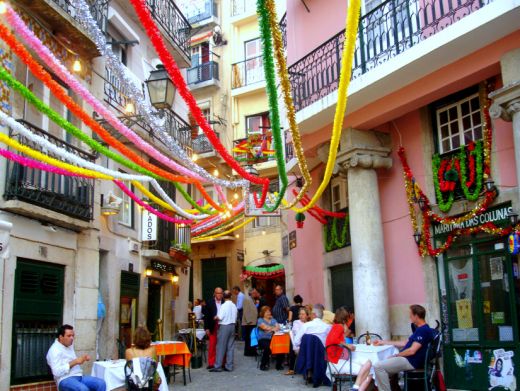
A big day in Lisbon is All Saints day, held on 1st November. This is a very special day in the Portuguese calendar, since it commemorates the day that Lisbon experienced an earthquake, lasting for six minutes, which was followed by a tsunami, smashing coastal village to pieces. All Saints Day in Lisbon recognizes every life that has finished and celebrates life for the living – streets are decorated with flowers, candles are lit and places on the window sills and porches, and people bring out trays of homemade marzipan sweets to share with neighbours. Traditional sweets are shaped in the form of fishes, fruit and vegetables – and people dress up on the day, so the whole effect very colourful.
Lisbon is about 4.5 hours away from the UK and easyjet are just one of the airlines that service Portugal. A bit of time researching what’s on offer is useful so check out the Portuguese Tourist Information site for an up to date lists of events. Once you have secured a couple of airline tickets – try and learn a few words of Portuguese; it’s a bit of a challenge but try to remember “muito obrigado” which is how you say “thank you” if you are a chap or, if it’s a gal saying it, it’s “muito obrigada”.